Like many other continual users of the fast fashion industry, I was uneducated, unware and naive to the permanent damage that one of my favourite industries is doing to the planet.
My naivety is the reason for the creation of this blog; by educating more consumers on the damage they create, we have a better chance of changing the planet for good.
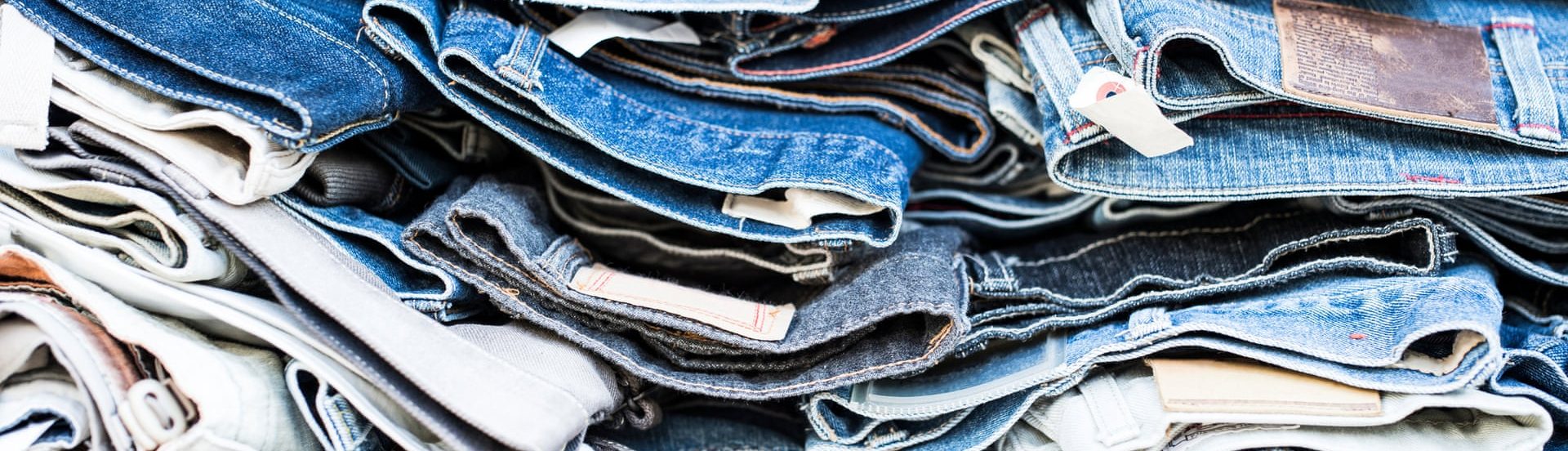
One of the most astonishing things I discovered was that 7,500 litres of water is needed to produce ONE pair of cotton jeans, informing me that natural fibres are not the quick easy solution I always believed them to be.
The textiles industry is one of the most polluting industries in the world, due to the fibre making process; wool mills discharge their water waste into rivers causing pollution. With a water shortage on the brink, there surely must be a solution to a fibre that is sustainable for the future of the planet?
Although, it can be argued that consumers are becoming more ethically aware of their footprint “in 2010 26 million pounds of organic cotton was sold” and we’ve even seen big brand companies such as M&S jumping on the ethical train with their “plan A of 13.5 million per year of energy saving”. But, there needs to be more from all ends of the spectrum: the consumer, the brand and the manufacturer.
However, there isn’t just a problem with the beginning of a product’s life cycle; waste management is also a problem within the fashion industry. After synthetic fibres came onto the market in the 20thcentury, textile recycling became complex for two reasons: the fibre strength increased making it difficult to open the fibres and fibre blends made it more difficult to purify the sorting process. With it also being established that on average a “UK consumer sends 30kg of clothing and textiles to landfill waste”in short, this means that there is more waste to send and therefore, what to do with the textiles becomes complicated.
At the moment there are two directions that a textile can finish in: an incinerator that is extremely polluting to the industry as the chemicals burn into the atmosphere, and the second of donating to charity shops.
Nevertheless, charity shops themselves are becoming overwhelmed with the number of textiles they receive. And therefore, they send it over to second world countries who sell it on within their culture. Whilst this is a good entitative that establishes work for those in poorer countries “our waste is simply just becoming their waste” and only prolonging their time in the circular waste.
Simply, there needs to be further action set forward into producing a fibre and waste management system that is environmentally friendly to the environment. As well as more ethical awareness brought to consumers.
 Emily's Ethical Fashion Exploration